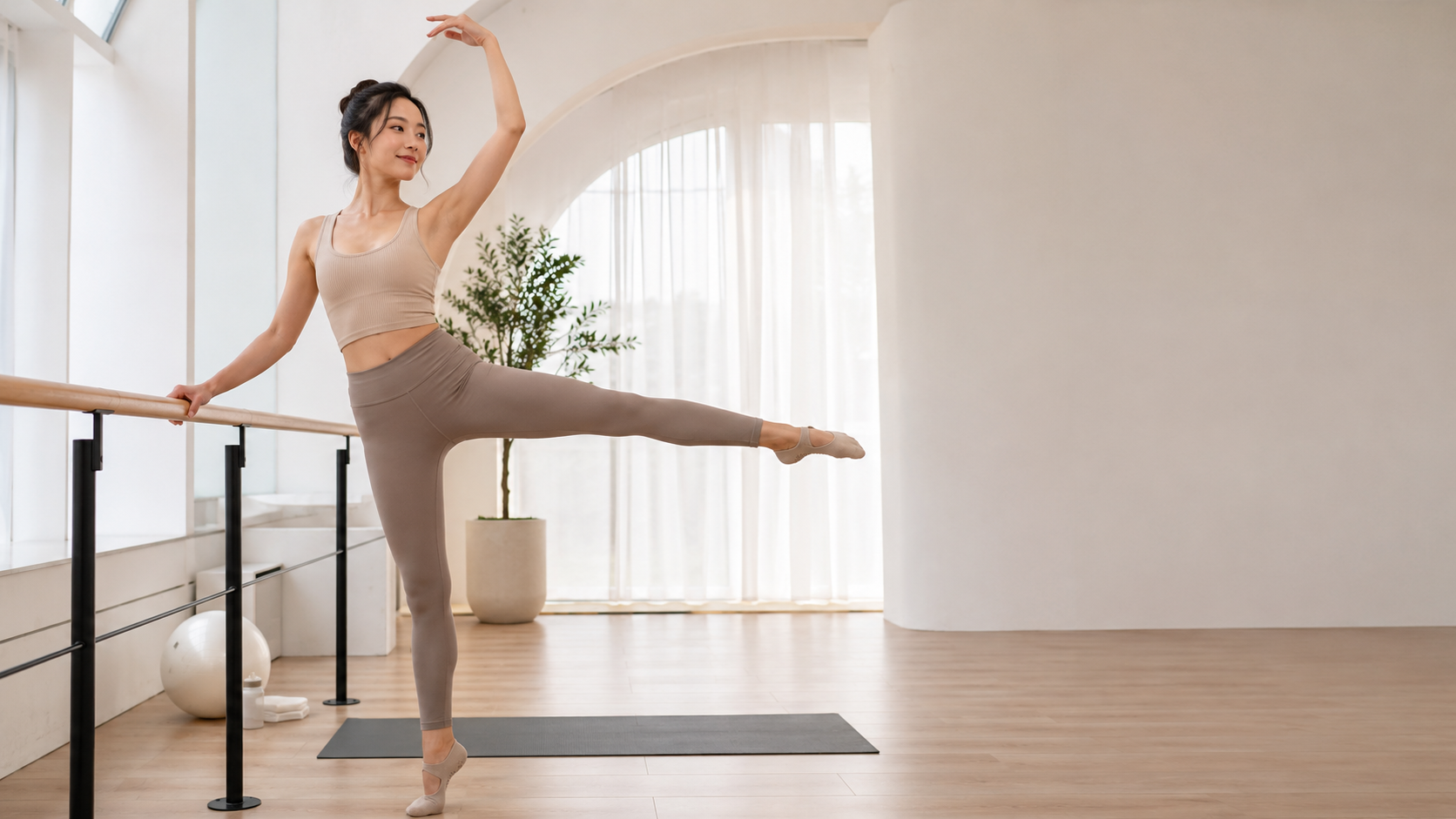
Barre Pilates has gained popularity as a new exercise trend that combines elements of ballet, Pilates, and yoga, appealing to people looking for low-impact exercise with visible results. The combination of precise movements and focused muscle work makes it distinct from traditional fitness classes.
Instead of relying on heavy weights or large movements, Barre Pilates focuses on small, controlled motions, isometric holds, and rhythmic pulses.
These targeted exercises engage specific muscle groups while keeping the core constantly engaged, helping tone muscles, improve balance, and enhance body awareness. The fun and energy of Barre Pilates classes are boosted by upbeat music and motivating instructors, creating an enjoyable and lively workout environment.
Due to its low-impact nature, Barre Pilates is suitable for beginners, office workers, and individuals looking for a safe yet effective fitness routine. It is also ideal for people managing joint discomfort or seeking a gentler alternative to high-impact training.
This guide explains what Barre Pilates is, its key benefits, and what you can expect during a typical Barre Pilates class.
Introduction to Barre Pilates
Barre Pilates combines the core-strengthening principles of Pilates with ballet-inspired barre exercises to create a balanced, full-body workout.
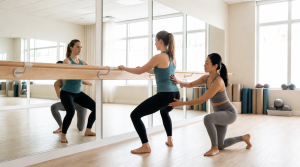
Classes are guided by certified instructors who lead participants through controlled movements using the ballet barre for balance, along with light props such as resistance bands or small weights.
What makes pilates barre unique is its focus on slow, precise movements and proper alignment.
Each exercise is designed to activate the core, improve posture, and build muscle endurance through small, controlled pulses. Because the workout is low-impact and adaptable, it suits beginners while still challenging more experienced participants.
Key Benefits of Barre Pilates
Barre pilates delivers measurable improvements in physical fitness through its fusion of ballet-inspired movements and Pilates principles.
The bar method, a ballet-inspired fitness class, integrates ballet, Pilates, and yoga moves for overall conditioning, using a ballet barre as the main equipment and offering a low-impact, beginner-friendly approach. Practitioners experience gains in muscular endurance, postural alignment, and joint health without the stress of high-impact exercise.
Barre exercises, which have been an essential part of dancer training since at least the 18th century, emphasize isometric contractions and small, controlled movements. These isometric exercises in Barre Pilates can help build bone density, which is important for preventing osteoporosis.
Both Barre and Pilates require intense mental focus and precision, which can help reduce stress and improve mental clarity. This focus not only enhances your workout but also contributes to improved mental health and emotional well-being.
Improved Strength and Flexibility
Barre Pilates builds lean muscle through small, controlled movements and isometric holds that target specific muscle groups. These exercises create muscle tension that strengthens the body without adding bulk, focusing on areas such as the legs, glutes, arms, and core.
The workout also improves flexibility by incorporating stretches between strength sequences. Ballet-inspired positions help lengthen muscles while increasing range of motion and control.
With regular practice, pilates barre can improve muscle definition, joint mobility, and overall body balance, supporting better posture and everyday movement.
Enhanced Posture and Core Stability
Core engagement is central to every Barre Pilates movement. Exercises activate the deep abdominal muscles, pelvic floor, and back muscles that support the spine, helping improve core strength and posture.
Borrowing alignment principles from ballet, participants learn to lengthen the spine, relax the shoulders, and maintain proper body positioning throughout each exercise.
With regular practice, stronger core muscles can improve balance, stability, and posture, while also helping reduce back pain caused by long periods of sitting or repetitive movements.
Low-Impact Workout Advantages
Barre Pilates places minimal stress on the joints while still providing an effective workout. Its controlled movements and use of bodyweight or light resistance help protect the knees, ankles, and hips from the impact associated with running or jumping exercises.
Because the workout is low-impact and steady-paced, participants can tone muscles and improve balance while focusing on proper alignment and core engagement. This makes Barre Pilates suitable for beginners, individuals recovering from injuries, and those managing joint discomfort.
Many classes also offer modifications for different fitness levels, including options for pre- and post-natal participants with medical approval. Older adults often find Barre Pilates a safe way to stay active.
Despite its gentle nature, high repetitions of small isometric movements help build muscle endurance and definition, making Barre Pilates a sustainable long-term fitness routine.
How Barre Pilates Differs From Other Workouts
Barre Pilates blends elements from both disciplines but creates a distinct workout experience. The practice combines Pilates core principles with ballet-inspired movements, setting it apart from traditional Pilates mat work and standard barre classes.
The key difference lies in how Barre Pilates uniquely targets smaller stabilizing muscles, improves posture and balance, and promotes a sense of calmness, which distinguishes it from other fitness routines.
While inspired by ballet, these workouts are not considered a sport; instead, they focus on fitness and rehabilitation rather than competitive athletic activity.
In addition to general fitness benefits, athletes use Barre and Pilates workouts to strengthen stabilizing muscles and improve flexibility, helping to prevent injuries common in high-impact sports.
Barre Pilates vs. Traditional Pilates
Traditional Pilates emphasizes full-body integration through controlled movements that engage multiple muscle groups simultaneously. The method focuses heavily on core stabilization while moving through flowing sequences on a mat or reformer.
Barre Pilates incorporates the ballet barre as a prop for balance and support during exercises. This addition allows practitioners to perform standing leg work and isometric holds that aren’t typical in standard Pilates sessions.
The movements include more pulses, small range-of-motion exercises, and isolated muscle targeting borrowed from ballet technique.
Key differences include:
- Equipment: Traditional Pilates often uses reformers, cadillacs, or just mats, while barre pilates always incorporates a ballet barre
- Movement style: Pilates flows through exercises engaging the whole body; barre pilates adds pulsing movements and isometric holds
- Muscle targeting: Pilates works multiple muscles at once; barre pilates includes more isolated muscle work, particularly in legs and glutes
What to Expect in a Barre Pilates Class
A barre class typically runs 45 to 60 minutes and delivers a full-body muscle endurance workout through structured segments. Participants use a ballet barre along with small props while performing ballet-inspired movements combined with Pilates fundamentals.
Typical Class Structure
Most barre classes begin with a warm-up that includes light stretching and breathing exercises to prepare the body. In many barre class KL sessions, this initial phase helps participants activate their muscles while improving body awareness before moving into more targeted exercises.
The main portion divides into targeted sections focusing on different muscle groups, usually starting with upper body work before moving to the lower body.
Barre pilates classes are generally taught at a slower pace, allowing participants to focus on proper alignment, balance, and core engagement. The structure typically includes an arm sequence using light weights, followed by leg exercises at the barre.
Core work happens on the mat, incorporating Pilates-based movements for abdominal strength. Each section emphasizes high repetitions with small, controlled movements to build muscular endurance.
Classes end with a cool-down period that features stretching and flexibility work. The low-impact nature makes barre pilates accessible while still challenging participants through isometric holds and precise positioning.
Essential Equipment Used
The ballet barre is the primary equipment used in Barre Pilates, providing balance and support during standing exercises. Many studios use either wall-mounted or portable barres.
Additional props may be used to increase workout intensity, including:
- Light hand weights (1–3 pounds) for arm exercises
- Resistance bands for added tension during leg work
- Small exercise balls for core engagement and balance
- Yoga mats for floor exercises and stretching
Most studios provide the necessary equipment, so participants typically only need to bring water and wear comfortable workout clothing. Classes are usually done barefoot or with grip socks, which help improve stability during movements.
Popular Moves and Exercises
Barre moves are ballet-inspired exercises performed at the barre that help strengthen, tone, and improve flexibility. Many of these movements use small, controlled motions to target specific muscle groups.
Common exercises include plié squats, which work the thighs and glutes, and relevés, where participants raise their heels to strengthen the calves and improve balance. Classes also incorporate leg lifts and pulse movements that activate smaller stabilizing muscles.
Core exercises are often performed on the mat using Pilates-based movements such as planks and roll-ups, helping improve core strength, posture, and body control.
Finding Barre Pilates Classes Locally
Most urban areas now offer a variety of barre Pilates options, ranging from dedicated boutique studios to fitness centers that include specialized barre sessions in their class schedules. This growing popularity makes it easier to find a class that fits your lifestyle and fitness preferences.
When choosing a class, it’s important to look for a certified barre instructor who can clearly demonstrate ballet-inspired positions, guide proper form, and offer safe modifications for different fitness levels. A good instructor will also adjust movements for individuals with injuries, beginners who are new to barre, or those who require lower-impact options.
Studios such as LA Pilates provide a structured environment where instructors carefully break down each movement and emphasize alignment, control, and safe progression. With supportive coaching and well-designed sessions, participants can gradually build strength, flexibility, and balance in a comfortable setting.
Barre classes are designed to be accessible for all fitness levels, including complete beginners. The key is finding a class format, location, and teaching style that fits your personal fitness goals and schedule. Choosing a reputable studio like LA Pilates can make the learning process smoother, especially if you are starting your barre Pilates journey.
Frequently Asked Questions
Barre Pilates raises common questions about its unique approach, equipment needs, accessibility for different fitness levels, and the timeline for achieving results.
1. How does Barre Pilates differ from traditional Pilates?
Barre Pilates combines Pilates core principles with ballet-inspired movements, often using a barre for balance during standing exercises. Traditional Pilates focuses mainly on mat or reformer workouts that emphasize controlled movements and core strength without the ballet elements.
2. What are the benefits of incorporating Barre exercises into a Pilates routine?
Barre exercises help strengthen the legs, glutes, and smaller stabilizing muscles through small, controlled movements. They also improve balance, flexibility, and muscle endurance while maintaining the core-focused approach of Pilates.
3. Can beginners participate in Barre Pilates classes, or is it more suited for experienced individuals?
Beginners can safely participate in Barre Pilates classes without prior ballet or Pilates experience. The movements can be modified to accommodate different fitness levels and physical abilities.
Instructors typically offer variations for those new to the practice. The barre itself serves as a support system that helps beginners maintain balance while learning proper form.
4. What kind of equipment is typically used in a Barre Pilates session?
Most classes use a ballet barre for balance, along with light weights, resistance bands, small exercise balls, and yoga mats. These simple props help increase workout intensity while keeping the exercises low impact.
5. How often should one practice Barre Pilates to see noticeable results?
Most people notice improvements in strength, posture, and muscle tone within a few weeks of consistent practice. Attending classes three to four times per week is usually enough to see visible results.
6. What should someone expect from their first Barre Pilates class?
A typical class lasts 45 to 60 minutes and moves through different body sections in a structured format. Sessions usually include standing exercises at the barre, core work, and stretching.
Participants may expect to sweat, as the small, repetitive movements are designed to challenge muscles and build endurance. Feeling the muscle burn is a sign of effective engagement.
Instructors guide proper form throughout the class and provide modifications for different fitness levels, ensuring a safe and effective workout for everyone.