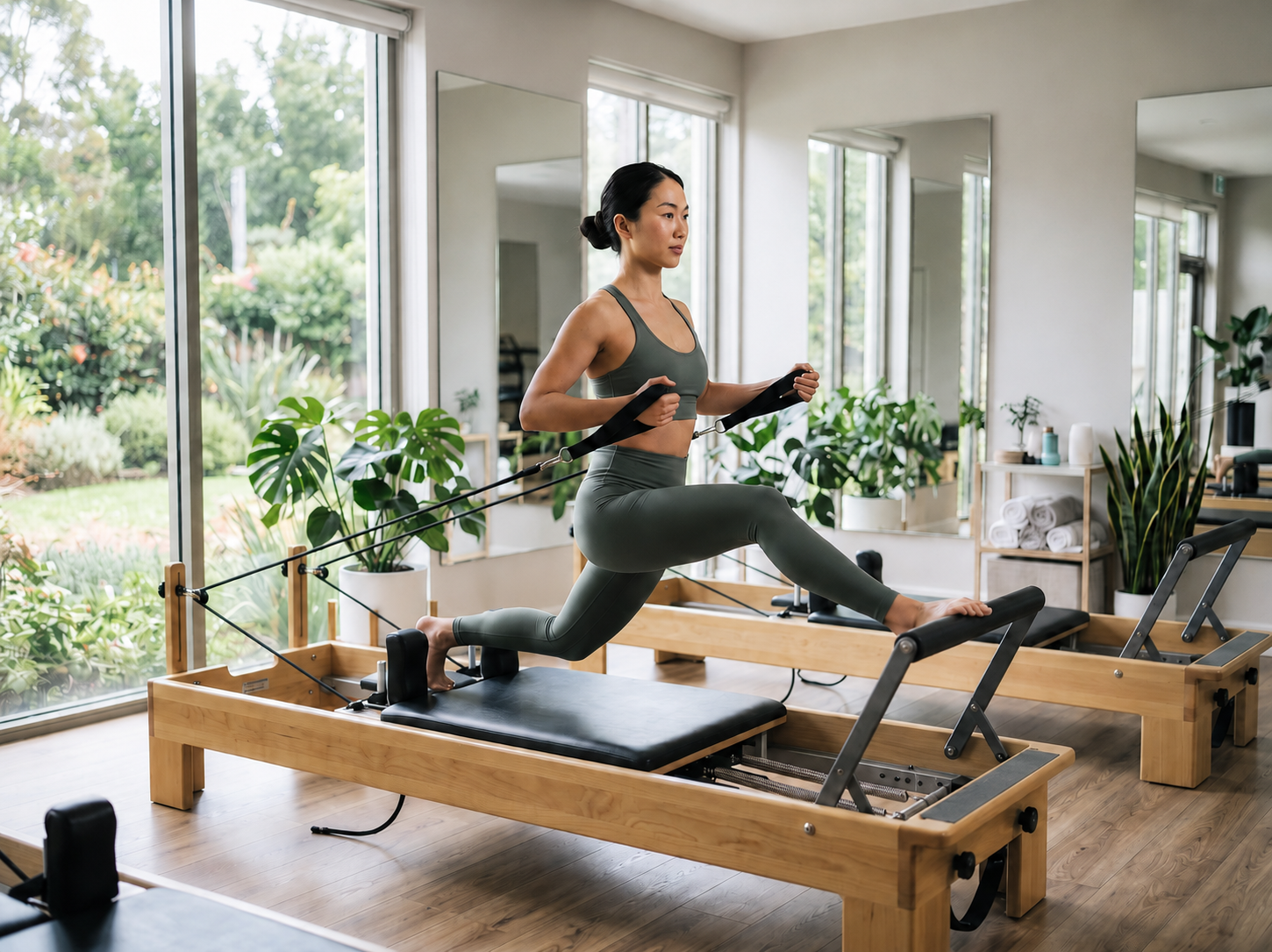
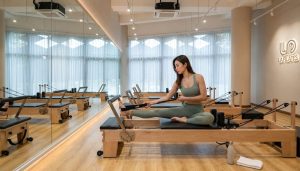
Reformer Pilates is a low-impact workout performed on a specialized machine called a reformer. The machine uses springs, a sliding carriage, and adjustable resistance to build strength, flexibility, balance, and core control.
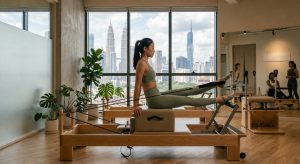
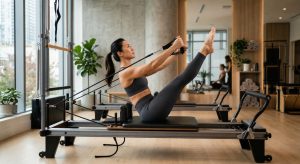
The reformer machine features a padded carriage that glides along a rectangular frame, connected to adjustable springs that create resistance during exercises. It also includes a foot bar and straps that allow a wide range of movements while lying, sitting, kneeling, or standing.
As the resistance is adjustable, Reformer Pilates is suitable for all levels ranging from beginners to intermediate and even advanced practitioners. The machine can assist or challenge movements, making it especially useful for injury recovery and low-impact strength training.
Today, Reformer Pilates combines classic Pilates principles with modern exercise techniques, offering a versatile workout that improves strength, mobility, and overall wellness. In recent years, Reformer Pilates KL studios have grown in popularity as more people in Kuala Lumpur explore low-impact workouts that support strength, flexibility, and posture.
Key Principles of Reformer Pilates
- Controlled movement: Forms the foundation of every reformer exercise. Practitioners perform each motion slowly and deliberately, maintaining constant tension against the springs rather than using momentum.
- Breath coordination: Synchronizes with movement patterns throughout the workout. Inhaling prepares the body for motion, while exhaling typically accompanies the exertion phase to create rhythm and enhance core engagement.
- Core activation: Remains constant during all exercises. The reformer’s unstable carriage surface demands continuous engagement of deep abdominal muscles, even during movements that appear to target other body parts. This instability also helps improve balance and joint stability.
- Resistance and spring tension: Can be adjusted to match individual fitness levels. The springs provide variable resistance that challenges muscles through their full range of motion, making exercises adaptable for beginners through advanced practitioners.
Reformer Pilates vs. Mat Pilates
Mat Pilates relies entirely on body weight and gravity for resistance, while reformer Pilates uses springs and pulleys to create adjustable tension. The reformer provides both assistance and challenge, making certain exercises easier for beginners or more difficult for advanced users.
The reformer carriage adds an element of instability that increases core engagement compared to mat work. This sliding platform requires constant stabilization, particularly during exercises where both feet or hands rest on the moving surface.
Equipment and space requirements differ substantially between the two methods:
- Mat Pilates needs only a mat and small space
- Reformer Pilates requires a machine measuring approximately 8 feet long and 2 feet wide
How Reformer Pilates Works
Reformer Pilates operates through a spring-based resistance system that targets specific muscle groups while promoting controlled, precise movements. It is a full body workout, engaging multiple muscle groups simultaneously for balanced strength and flexibility.
As a form of strength training, reformer Pilates uses the machine’s springs to provide resistance, which helps to lengthen and strengthen muscles throughout the body. The machine’s design allows practitioners to work against adjustable resistance in multiple positions, from lying down to standing.
Many Reformer Pilates KL studios use modern reformer machines with adjustable spring systems that allow instructors to tailor exercises for different fitness levels.
Understanding the Reformer Machine
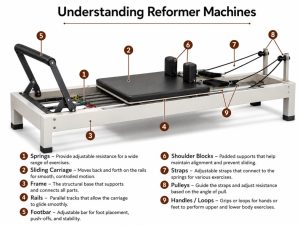
The pilates reformer machine consists of a sliding carriage attached to springs within a rectangular frame. The carriage moves back and forth on wheels along two rails, creating smooth, controlled resistance during exercises.
Springs provide the primary resistance mechanism. Most reformers include four or five springs with varying tension levels, typically color-coded from light to heavy. Practitioners adjust the spring load based on their strength level and the exercise requirements.
A footbar sits at one end of the frame, serving as a push-off point for leg exercises and a hand placement option for arm work. The bar typically adjusts to different heights to accommodate various exercises and body proportions.
Shoulder blocks prevent sliding during exercises. These padded supports keep the body stable on the carriage, particularly during movements that require pushing against the footbar.
Two adjustable straps attach to the springs through pulleys. These straps feature handles or loops for hands and feet, enabling upper body, lower body, and core exercises from multiple angles.
Essential Equipment and Accessories
The standard reformer includes a padded carriage surface approximately 24 inches wide and 7-8 feet long. This platform supports the body during all movements and exercises.
A sitting box or long box attaches to the carriage for specific exercise variations. This rectangular padded piece adds versatility by creating an elevated surface for seated work, prone exercises, and additional support positions.
Most studios provide small props to enhance reformer sessions:
- Resistance bands for added upper body challenge
- Small weighted balls for core engagement
- Foam rollers for balance and stability work
- Magic circles for inner thigh and arm exercises
The headrest adjusts up or down to accommodate different body heights and exercise requirements. Some practitioners lower it completely for certain positions.
Common Movements and Exercises
Pilates reformer exercises are a core part of Reformer Pilates practice, with common movements including footwork, hundred, long stretch, chest expansion, side overs, and leg circles. These exercises target different muscle groups while improving strength, flexibility, and balance.
Common beginner-friendly exercises include:
- Footwork: Helps develop leg strength, core control, and alignment of the hips, knees, and ankles.
- The Hundred: Builds core endurance while coordinating breath and arm movement.
- Leg circles: Improve hip mobility, core stability, and lower-body control.
- Chest expansion: Strengthens the upper back and shoulders while supporting better posture.
- Long stretch: Challenges the whole body, especially the core, arms, and shoulders.
- Side overs: Target the waist,obliques, and lateral core strength.
Getting Started With Reformer Pilates
Finding the right class and knowing what to expect during a session can help beginners feel more comfortable and confident. Most studios welcome people of all fitness levels, making it easy for newcomers to join a reformer Pilates class.
Understanding a few basic safety tips and how the reformer machine works can also help ensure your first experience is smooth and enjoyable.
Choosing Your First Class
Most studios offer beginner-friendly Reformer Pilates classes, often labeled “Introduction to Reformer” or “Fundamentals.” These sessions usually last around 45 to 60 minutes and focus on teaching proper form, breathing techniques, and the basic movements performed on the reformer machine.
Group classes typically include 6 to 12 participants, allowing instructors to guide everyone while still keeping the sessions more affordable than private lessons. For those who prefer more individual attention, private classes are also available, offering personalized instruction tailored to your fitness level and goals.
Many Pilates studios also provide flexible memberships, credit packages, or trial classes, making it easier for beginners to try a session before committing long term. In cities like Kuala Lumpur, studios such as LA Pilates often offer introductory packages so newcomers can experience reformer pilates and decide if it suits their fitness routine.
What to Expect in a Session
Classes begin with a brief warm-up on the reformer or mat to prepare the body for movement. The instructor demonstrates each exercise before participants attempt it on their machines.
Beginners typically learn foundational exercises like footwork, leg circles, and arm work during initial sessions. The instructor adjusts spring resistance, foot bar height, and other machine settings for each person based on their strength and flexibility.
Each exercise normally involves 5–10 controlled repetitions, focusing on precision rather than speed. During group reformer classes, instructors move around the room to correct form and provide adjustments when needed, a common approach used in many studios including LA Pilates.
For those seeking a more advanced or high intensity workout, some reformer Pilates sessions incorporate extra resistance, weights, or even heat. In these classes, participants can expect to sweat as the workout becomes more challenging and physically demanding.
Sessions end with stretching and cool-down exercises. Most beginners feel muscle engagement during class but shouldn’t experience pain or excessive soreness.
Safety Tips for Beginners
Arriving 10-15 minutes early allows time to complete paperwork and discuss any injuries or limitations with the instructor. Informing instructors about physical concerns helps them provide appropriate modifications.
Essential safety practices:
- Move slowly and deliberately through transitions between exercises
- Ask questions immediately if an exercise causes pain or feels unclear
- Avoid locking joints during leg extensions or arm movements
- Keep hands and feet clear of moving parts and springs
- Stay hydrated before and after class
Beginners should listen to their bodies and take breaks when needed. The reformer machine provides assistance through spring resistance, but proper alignment remains critical for preventing strain.
Benefits and Results of Reformer Pilates
Reformer Pilates improves strength, flexibility, and posture while also supporting mental wellbeing through mindful movement.
By supporting both physical and mental wellbeing, reformer Pilates contributes to overall wellness through a balanced and holistic approach to exercise.
In recent years, Reformer Pilates KL studios have grown rapidly in popularity, as more people in Kuala Lumpur look for effective workouts that strengthen the body while remaining gentle on the joints.
With many individuals spending long hours sitting at desks or working in sedentary environments, reformer Pilates provides a practical way to improve posture, mobility, and core stability.
The versatility of the reformer machine also makes the workout suitable for a wide range of people, from beginners to experienced fitness enthusiasts. Because resistance can be adjusted through the machine’s spring system, exercises can be modified to match different fitness levels, making reformer Pilates an accessible and sustainable fitness routine for many individuals in Kuala Lumpur.
Physical Benefits
Reformer Pilates builds core strength through controlled resistance exercises that engage deep stabilizing muscles. The spring-based resistance system allows for progressive overload, strengthening muscles throughout the entire body rather than isolating specific areas.
During challenging reformer Pilates sessions, practitioners often experience a satisfying ‘burn’ in their muscles, signaling deep muscle engagement and effective effort.
Practitioners typically notice improved posture within weeks of consistent practice. The exercises train proper spinal alignment and strengthen the muscles that support upright positioning. This reduces strain on the neck and lower back during daily activities.
Flexibility increases as the reformer facilitates movements through a full range of motion. The sliding carriage and rope system enable deeper stretches while maintaining control and stability.
The low-impact nature protects joints from excessive stress while still providing effective resistance training. This makes reformer Pilates suitable for injury recovery and rehabilitation under proper guidance.
Regular practice can lead to:
- Increased muscle tone and definition
- Enhanced balance and coordination
- Better body awareness and movement control
- Reduced risk of injury during other physical activities
Mental and Emotional Benefits
Reformer Pilates requires focused attention on breath, movement, and body position throughout each exercise. This mindful approach reduces stress and promotes mental clarity during and after sessions.
The concentration demanded by reformer work creates a meditative state that helps practitioners disconnect from daily pressures. Coordinating breath with movement activates the parasympathetic nervous system, which triggers relaxation responses.
Many people report improved mood and reduced anxiety with consistent practice. The combination of physical accomplishment and mind-body connection contributes to overall emotional wellbeing.
Who Should Try Reformer Pilates
Beginners benefit from the reformer’s adjustable resistance and guided movement patterns. The machine provides feedback and support that makes proper form easier to achieve than mat Pilates for those new to the practice.
Athletes use reformer Pilates for cross-training and injury prevention. The balanced muscle development and improved flexibility complement sport-specific training without adding high-impact stress.
Individuals recovering from injuries or managing chronic conditions often find reformer Pilates therapeutic. The controlled environment and customizable resistance allow for safe rehabilitation when working with qualified instructors.
Older adults appreciate the low-impact strengthening and balance training that supports functional movement and independence. The reformer’s supportive structure provides stability while challenging strength and coordination.
Conclusion
Reformer Pilates is a controlled, low-impact workout that helps build strength, flexibility, balance, and posture. With adjustable resistance and guided movements, it can be adapted for beginners as well as more experienced practitioners.
As more people in Kuala Lumpur look for sustainable and joint-friendly ways to stay active, Reformer Pilates KL classes offer a practical option for improving movement, body awareness, and overall wellness.
Frequently Asked Questions
Reformer Pilates raises common questions about equipment differences, health benefits, class structure, and practice frequency. The following answers address practical concerns beginners typically have before starting their Reformer Pilates journey.
1. Do studios offer membership subscriptions or flexible payment options?
Yes, many Reformer Pilates studios like LA Pilates offer memberships subscriptions as part of their pricing options. These membership subscriptions provide ongoing access to classes and often come with added value or perks.
2. How does Reformer Pilates differ from mat Pilates?
Reformer Pilates uses a specialized Pilates machine with springs, straps, and a sliding carriage to create adjustable resistance. Mat Pilates is performed on the floor using mainly body weight. The reformer allows more exercise variations and provides support that can make movements easier or more challenging.
3. What are the benefits of Reformer Pilates?
Reformer Pilates helps build core strength, flexibility, balance, and muscle tone through controlled, low-impact movements. Regular practice can also improve posture, increase body awareness, and support joint mobility.
4. What happens during a Reformer Pilates class?
A typical Reformer Pilates class lasts 45–60 minutes. Instructors guide participants through exercises on the reformer machine, targeting the core, legs, arms, and back while focusing on proper alignment and controlled breathing.
5. What equipment is used in Reformer Pilates?
The main equipment is the reformer machine, which includes a sliding carriage, adjustable springs, straps, and a footbar. These components create resistance and support controlled movements during exercises.
6. How often should beginners practice Reformer Pilates?
Most beginners start with two to three classes per week. With consistent practice, improvements in strength, posture, and flexibility are often noticeable within a few weeks.
7. Can Reformer Pilates help with certain health conditions?
Reformer Pilates may help improve back pain, posture issues, and joint mobility because of its low-impact, controlled movements. However, individuals with medical conditions should consult a healthcare professional and work with a qualified instructor.